
Uttar Pradesh, India
Varanasi Travel Guide 2026: Places to Visit, Itinerary and Budget
Plan your Varanasi trip with the best places to visit, Ganga Aarti, Kashi Vishwanath Temple, a 2-day itinerary, travel budget and practical tips.
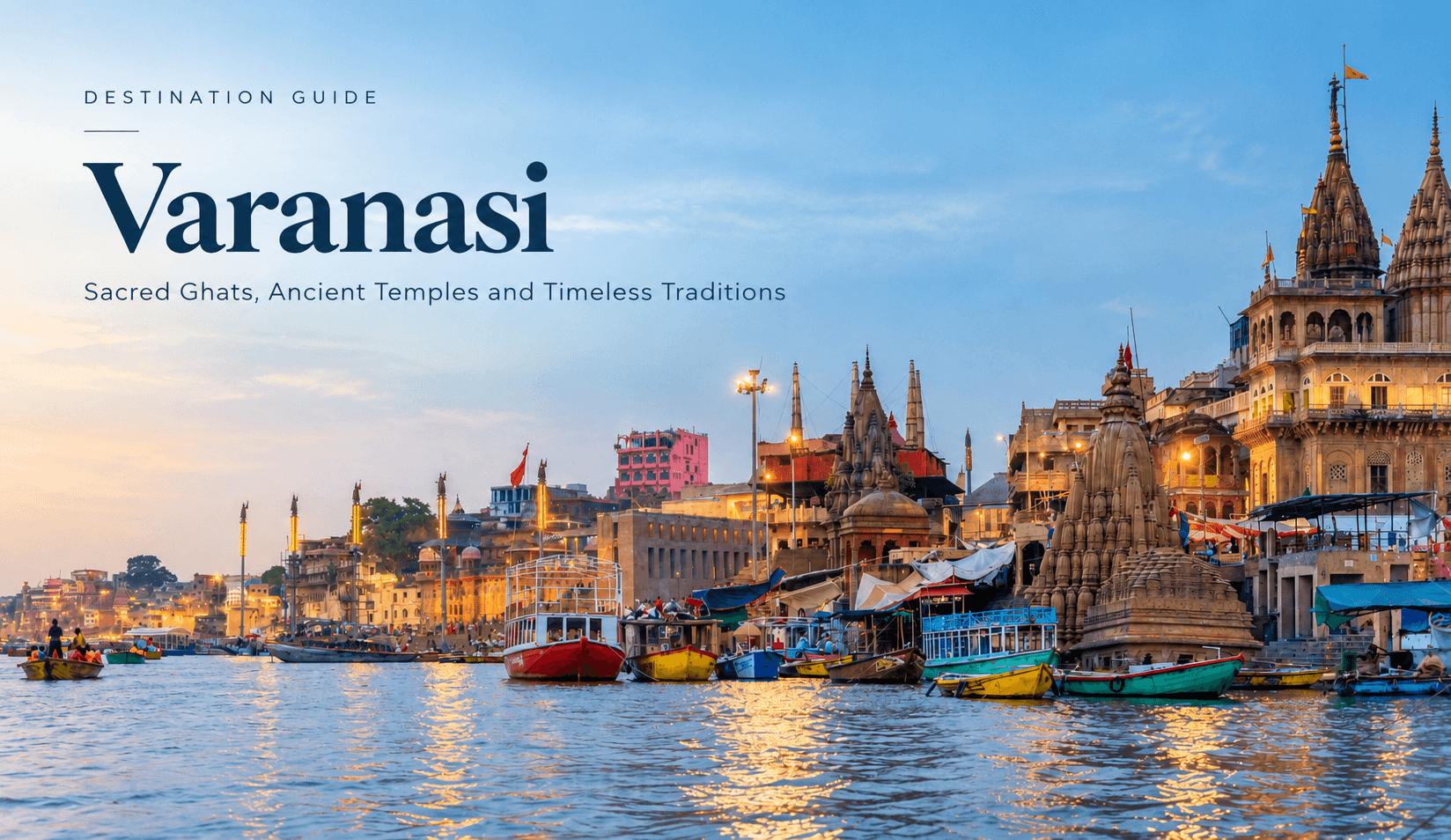
Varanasi Travel Guide 2026: Places to Visit, Itinerary and Budget
Varanasi is a city where ancient traditions remain part of everyday life. Early in the morning, people gather along the River Ganga for prayers, boats move slowly past the historic ghats, and the narrow streets of the old city begin to fill with shoppers, pilgrims and local residents.
Also known as Kashi and Banaras, Varanasi is one of India's most important spiritual and cultural destinations. It is famous for the evening Ganga Aarti, Shri Kashi Vishwanath Temple, traditional Banarasi silk and its long connection with Hindu religious traditions. Just outside the city, Sarnath offers a quieter experience for visitors interested in Buddhist history.
If you are planning your first Varanasi trip, deciding what to see and how much time to allow can be difficult. The old city's narrow lanes, busy temple areas and crowded riverfront require a little planning.
This Varanasi travel guide covers the best places to visit, the ideal time to travel, how to reach the city, where to stay, a practical two-day itinerary and tips for managing your budget.
Best Places to Visit in Varanasi
Varanasi has more to offer than its famous temples and riverfront ceremonies. You can explore historic ghats, visit important religious sites, discover traditional markets and take a day trip to Sarnath.
1. Dashashwamedh Ghat
Dashashwamedh Ghat is one of the most famous places to visit in Varanasi. It is particularly known for the evening Ganga Aarti, when priests perform a coordinated ceremony with lamps, incense and devotional rituals beside the river.
The ceremony attracts both pilgrims and tourists, so the area can become extremely crowded. Arrive early if you want to watch from the ghat steps and choose a comfortable viewing spot.
After the ceremony, you can explore the nearby lanes and shops. Allow extra time to leave the area, especially during weekends, holidays and major festivals.
2. Shri Kashi Vishwanath Temple
Shri Kashi Vishwanath Temple is one of the most important Hindu pilgrimage sites in India. Dedicated to Lord Shiva, it is associated with one of the twelve Jyotirlingas.
Located in the old city, the temple can be combined with a walk through nearby markets and lanes. However, security checks, queues and restricted access can affect how long a visit takes.
Before visiting, check the temple's current timings, darshan arrangements, aarti information and rules for personal belongings on the official Shri Kashi Vishwanath Temple website.
Do not rely on old travel guides for entry rules or timings, as arrangements can change.
3. Assi Ghat
Assi Ghat is a popular place to begin the day in Varanasi. Early mornings bring a calmer atmosphere, with visitors walking beside the river, attending prayers and watching the city wake up.
The surrounding neighbourhood has cafes, guesthouses and places to eat, making it a convenient area for independent travellers.
You can also look into a morning boat ride from this part of the riverfront. Confirm the price, duration and departure point before boarding.
4. Manikarnika Ghat
Manikarnika Ghat is one of the city's most significant Hindu cremation ghats. It holds deep religious meaning and is an active place for funeral rites.
Visitors should approach the area with sensitivity. This is not an ordinary sightseeing stop, and people are there during deeply personal moments.
Avoid intrusive photography, keep a respectful distance and follow local guidance. If you prefer a more relaxed riverfront walk, there are other ghats where you can spend time without entering an active funeral space.
5. Sarnath
Sarnath is approximately 10 kilometres from Varanasi and makes a worthwhile excursion for travellers interested in Buddhist history.
It is traditionally recognised as the place where Gautama Buddha delivered his first sermon after attaining enlightenment. Today, the area contains archaeological remains, monasteries, Dhamek Stupa and the Sarnath Archaeological Museum.
The museum houses important Buddhist artefacts, including the original Lion Capital of Ashoka, which forms the basis of India's national emblem.
Allow several hours if you want to explore both the archaeological complex and the museum. Check the latest opening hours, weekly closing day and entry fees before leaving Varanasi.
For visitor information, consult the official Sarnath Museum listing.
6. Banaras Hindu University
Banaras Hindu University (BHU) is one of India's best-known educational institutions. Its large campus offers a different atmosphere from the busy old city.
Visitors can explore areas open to the public and check the access arrangements for the New Vishwanath Temple, also known as Shri Vishwanath Mandir, on the campus.
If your itinerary includes Sarnath and the southern part of Varanasi, consider whether a visit to BHU fits your route rather than making several separate journeys across the city.
7. The Old City and Traditional Markets
The narrow lanes of Varanasi are an important part of the city's character. They connect temples, small shrines, traditional shops, food stalls and residential neighbourhoods.
Walking is often the easiest way to explore these streets because vehicle access is limited in some sections. Wear comfortable footwear and be prepared for crowded passages.
Banarasi silk products, local sweets, snacks and traditional souvenirs are among the things visitors look for. If you are buying an expensive silk product, compare prices and ask about the material, authenticity and any available documentation.
You do not need to follow a strict shopping route. Sometimes, allowing extra time to explore the lanes around your main attractions makes the visit more enjoyable.
How to Reach Varanasi
Varanasi is connected to major Indian cities by air, rail and road. The best option depends on your starting point, budget and arrival time.
By Air
Lal Bahadur Shastri International Airport serves Varanasi. From the airport, you can continue to your hotel by taxi or another available transport service.
Check the location of your accommodation before arranging a pickup. Hotels in the old city may not be directly accessible by car, so you might need to walk part of the way with your luggage.
By Train
Varanasi has railway connections with many cities across India. Varanasi Junction and Banaras are among the stations used by travellers, depending on their train.
Check your arrival station carefully before booking accommodation or arranging transport. A hotel that looks convenient for one station may be less practical for another.
By Road
Buses, taxis and private vehicles connect Varanasi with cities in Uttar Pradesh and neighbouring states.
Journey times depend on your departure city, traffic and road conditions. If you are travelling during a festival or holiday period, allow additional time for delays.
For official visitor information, see the Varanasi district administration website.
Where to Stay in Varanasi
Choosing the right area can make a noticeable difference to your trip. Think about whether you prefer to stay close to the ghats, within walking distance of the old city or somewhere with easier vehicle access.
Near Assi Ghat
The Assi Ghat area is worth considering if you want to enjoy morning walks, nearby cafes and a neighbourhood popular with independent travellers.
It can be a convenient base for exploring the southern ghats, although you will still need to arrange transport for attractions farther away.
Near Godowlia and the Old City
Staying near Godowlia can make it easier to reach several well-known ghats, markets and temples.
The main drawback is access. Some accommodation is located in narrow lanes where cars cannot reach the entrance. Check the exact location and luggage arrangements before booking.
Near Varanasi Junction or the Cantonment Area
These areas can suit travellers who prefer easier vehicle access, larger hotels or proximity to the railway station.
They may be less convenient for spontaneous walks along the ghats, so consider the time and cost of travelling to the old city.
Before confirming a room, compare recent guest reviews, cancellation terms, transport access and the distance to the places you plan to visit.
Food to Try in Varanasi
Food is an important part of the Varanasi experience. The city has a mix of traditional breakfast stalls, street-food shops, sweet shops and restaurants.
Here are some local specialities to look for:
- Kachori-sabzi: A popular breakfast of fried kachori served with a spiced vegetable curry.
- Tamatar chaat: A tangy, spiced tomato-based street-food dish.
- Banarasi lassi: A traditional yoghurt-based drink found at local shops.
- Jalebi: A sweet, syrup-soaked treat often enjoyed at breakfast.
- Banarasi paan: A famous local preparation traditionally made with betel leaf and assorted fillings.
- Local thalis: A convenient way to try several dishes in one meal.
Food styles, prices and availability vary between shops. Choose places with good food-handling practices and use safe drinking water.
If you have dietary restrictions, ask about the ingredients before ordering.
Practical Travel Tips for Varanasi
A few simple preparations can make your visit easier, particularly if it is your first time in the city.
- Wear comfortable footwear. Many old-city lanes and ghats require walking.
- Carry some cash. Small shops and local transport providers may not accept every digital payment method.
- Keep valuables secure. Crowded markets and popular religious sites require the usual precautions.
- Check temple rules. Entry, photography and personal-belonging requirements can vary by location.
- Respect religious spaces. Avoid intrusive photography, especially during private religious or funeral activities.
- Agree on boat prices. Confirm the cost, duration and departure point before paying.
- Allow extra travel time. Traffic, temple queues and restricted vehicle access can affect your schedule.
- Book early for major festivals. Accommodation can become harder to find during busy periods.
- Check the weather forecast. This is particularly useful when planning boat rides and long walks.
- Keep your itinerary flexible. It is better to enjoy a few places properly than rush through every attraction.
Final Thoughts
Varanasi is a destination best explored without trying to fit everything into one busy day. Its historic ghats, temples, old-city lanes, traditional food and the Buddhist heritage of Sarnath offer different ways to understand the city.
For a first visit, two days provide a useful introduction, while a third day allows more time to explore at your own pace. Check official visitor information before travelling and keep your plans flexible enough to account for queues, traffic and local conditions.
Sometimes, the most memorable part of a Varanasi trip may be a quiet walk beside the Ganga in the morning or a little extra time spent exploring the streets between the main attractions.
Plan Your Varanasi Trip
- Explore more destinations on Trawhiz
- Read our Mathura travel article
- Explore our Vrindavan travel article
- Get ready for your next journey with Pack My Bag
Cover Image Credit
Photo by Patricia Luquet: https://www.pexels.com/photo/ganges-coast-in-varanasi-city-17869859/